

The Greatest Act of Leadership Isn't Leading a Company. It's Leading Yourself.
After coaching hundreds of CEOs and founders, I've learned the leaders who thrive are the ones who honour the commitments they make to themselves — with the same discipline they give everyone else.

When I started my company almost fifteen years ago, I chose the name CEO of Your Life because of a lesson I had learned the hard way. At the time, I believed it meant creating the life you truly wanted. A meaningful career. Strong relationships. Good health. Time for the people you love.
I still believe all of those things matter. What has changed over the years is my understanding of how we actually get there. After coaching hundreds of CEOs, founders and executives, I've come to realize that becoming the CEO of your life isn't really about creating the perfect life. It's about learning to lead yourself.
In fact, I have come to believe that the greatest act of leadership isn't leading a company. It's leading yourself. That may sound obvious, but it isn't always easy.
Self-leadership isn't soft. It's measurable.
The discipline you give yourself compounds — in your habits, your performance, and the trust your people place in you.
The conversations that actually matter aren't about strategy
Every day I work with remarkable leaders. They lead organizations through uncertainty. They make difficult decisions with courage. They inspire teams and carry enormous responsibility. From the outside, it often looks like they have it all together.
Yet many of our conversations are not about strategy. They are about:
- Health and energy
- Relationships and presence
- Boundaries and rest
- Self-trust — and learning to honour the commitments they make to themselves
Four ways leaders negotiate against themselves
Beneath "I'll get to it once things slow down," most leaders carry four quiet habits at once. Click each to see how it shows up.
The Cancelled Walk
You'd never cancel an important meeting — but you regularly cancel the walk you promised yourself.
The "Later" Myth
You expect your team to protect their wellbeing — while telling yourself you'll take care of yours "once things slow down."
The Double Standard
You honour every commitment to clients, investors and employees — while repeatedly postponing the ones you made to yourself.
The Quiet Erosion
Not because you aren't capable — but because every promise broken to yourself quietly chips away at your confidence.
One question that changed the room
One conversation, in particular, has stayed with me. I was coaching a CEO who was deeply committed to his organization. His board trusted him. His team respected him. He held himself to exceptionally high standards at work.
As we talked about his personal goals, a different picture emerged. Like many leaders, he wanted to exercise more consistently and be more present with his family. He knew exactly what he wanted to do. What frustrated him was that he wasn't doing it. The discipline he demonstrated every day at work wasn't showing up in the relationship he had with himself. So I asked him a simple question.
"Why is everyone else receiving the best of your discipline except you?"
The room became very quiet. It wasn't a question about exercise. It wasn't a question about nutrition. It was a question about leadership. Somewhere along the way, he had learned to extend extraordinary commitment to everyone around him while quietly negotiating against himself.

Why self-trust is the real foundation
Over time, something begins to happen. We slowly lose trust in ourselves. Not because we aren't capable — but because every promise we break to ourselves quietly chips away at our confidence. The opposite is also true: every commitment we keep strengthens self-trust.
Every walk. Every workout. Every hard conversation. Every boundary. Each becomes evidence that you're becoming the leader you want to be.— Melissa Dawn, MCC
8 commitments that build self-trust
These aren't soft skills. They're the load-bearing practices of leading yourself. Click any segment to see why it compounds.
The clearer your values, the faster you can decide — and the harder it is to negotiate against yourself. Values are the reference point every kept promise points back to.
From the double standard to self-trust
Most leaders move through five stages on the way from self-neglect to grounded leadership. Click a stage to explore it.
The Double Standard
You give the best of your discipline to everyone else. Meetings never move; the walk you promised yourself always does. The gap between how you lead others and how you lead yourself keeps widening.
What helps: Noticing it. Naming the double standard out loud is the first crack of light.
Values before goals
This is why I spend so much time helping leaders understand their values before we talk about goals. Goals matter. Strategy matters. Execution matters. But underneath all of that is something even more important — a few questions worth sitting with:
- Who are you becoming?
- Are your daily choices aligned with your values?
- Are your thoughts, words and actions moving in the same direction?
- Where are you leading everyone else better than you're leading yourself?
These are the questions that create lasting change.

Becoming someone you trust
Over the years, my definition of becoming the CEO of your life has evolved. Today, it has much less to do with achieving more and much more to do with becoming someone you trust — someone who knows their values, speaks their truth, pauses before reacting, and honours commitments to themselves with the same integrity they honour commitments to others.
I've come to believe that this is where the most meaningful leadership begins. Not in a boardroom. Not in a strategic plan. Not with a title.
It begins with the quiet decisions we make every day when no one is watching.— Melissa Dawn, MCC
Because leadership has never been about managing people. It has always been about leading yourself first. When you learn to do that well, your team feels it. Your family feels it. You feel it. And everything else begins to grow from there.
Frequently Asked Questions
Common questions leaders ask about self-leadership, self-trust, and leading yourself first.
What does "leading yourself" actually mean?
Why do highly disciplined leaders break promises to themselves?
How do you rebuild self-trust?
How does self-leadership affect team performance?
How can executive coaching help with self-leadership?
Where should I start?
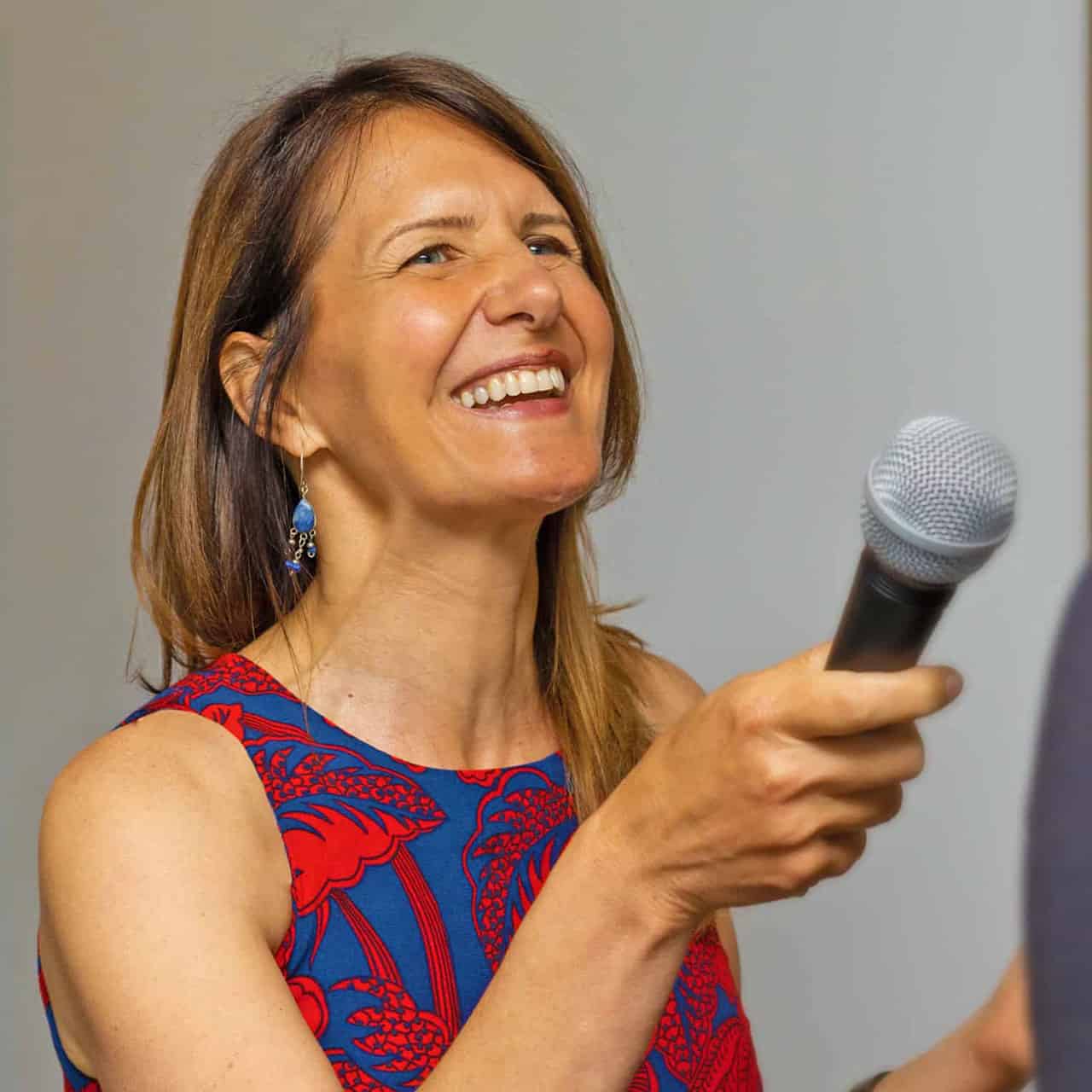
Melissa Dawn
Melissa Dawn is a Master Certified Coach (MCC) and founder of CEO of Your Life. She works with executives, founders, and family-business leaders navigating growth, pressure, leadership transitions, and change.
Her work combines strategy and humanity to help leaders create impact without losing themselves in the process.
Lead with heart and strategy — without losing yourself in the process.
If you're navigating growth, complexity or change and want a thinking partner who brings both strategic insight and human depth, a conversation is the place to begin.
Begin a Conversation