





For busy executives, virtual coaching can feel like a gift. No commute. No rushing across town. Just you, your coach, and the space to show up as the whole person that you are, not just the title. Space to breathe, reflect, and connect with the leader you truly want to be.
If you’re like many leaders, you might also wonder… Can virtual coaching really be as effective as in-person?
The short answer? Yes, absolutely.
The longer answer? Virtual coaching becomes truly powerful when both you and your coach bring a little extra heart and presence to the screen, blended with strategic steps.
Because coaching isn’t about the room you’re in. It’s about the YOU who shows up.
Virtual coaching is real-time, face-to-face sessions over Zoom, Teams or another video platform. Just like in-person coaching, we talk, explore, get real, and create clarity and momentum together.
Also like in-person coaching, the real transformation happens between sessions. In the moments where you choose to pause, breathe, act intentionally, or lead from a more grounded place.
Whether meeting virtually or in-person, you and your coach co-design:
The structure doesn’t change. Only the medium does.

In person, your coach can see everything – posture shifts, breathing changes, micro-expressions and so on. It reveals more of what’s going on, beyond the words you’re saying.
Over video, those cues take more presence, heart, and practice to notice. A skilled coach will hear what you’re saying AND what you’re not saying, even over video.
And sometimes, we open up more easily online because we’re in our own space, hopefully feeling grounded and safe.
From a heart + strategy approach, we can see this as:
Both matter, and heart always leads.
Yes. Very.
An interesting effect of the pandemic is that we now have a global, real-world experiment showing that meaningful connection can happen through a screen, and that the connection largely depends on how we show up as human beings.
What we’ve learned, from research and leaders in the trenches, is that virtual coaching can increase:
And with more and more of us comfortable using virtual tools, online coaching now feels natural, accessible, and emotionally safe.
Approached with intention, virtual tools don’t dilute the coaching experience. In some cases, they can even enhance it.

Flexibility & Freedom
Access coaching from anywhere, on your own time – across timezones, between meetings, or from a quiet corner that feels like you.
Efficiency
No travel, no logistics, just meaningful connection and genuine transformation.
Confidentiality & Comfort
When you’re in a space where you feel safe to drop your masks, you show up more authentically.
Aligned with Modern Leadership
Virtual coaching supports the skills leaders need most: emotional intelligence, presence, self-regulation, and heart+strategy decision-making.
To get the most out of your sessions:
Small steps can make a big difference. They create conditions for deeper listening, stronger insight, and more powerful breakthroughs.

Many leaders opt for a hybrid model: virtual for rhythm, in-person for depth.
This mirrors how many organizations operate today. They connect virtually for rhythm and efficiency, then come together occasionally for deep collaboration, connection, and inspiration.
A hybrid model can give you:
Even when distance is an issue, a hybrid model can be possible through in-person workshops, retreats, or intensive one-on-one sessions where either you or your coach travel.

Virtual coaching isn’t “less than”. It’s evolution. It’s an impactful way to partner with someone who works in a way that truly works for you.
When you show up with presence, openness, and heart, the screen disappears. What remains is truth, alignment, strategy, courage, clarity… the real you leading from the inside, out.
If you’re ready to explore virtual or hybrid coaching, we would love to support you.
Let’s co-create a version of your leadership that feels aligned, powerful, and deeply human. Connect with us.

Brainstorming is not about who has the best idea. It’s about creating the best conditions for ideas to appear.
Have you found brainstorming to be a waste of time? Does it feel unfocused, unproductive, or disconnected from the core purpose? Or maybe it turns into a competition to be heard most or provide the “winning” ideas.
Those experiences are so common.
Brainstorming without the right groundwork can quickly devolve into chaos without direction, or get stuck in structure without inspiration.
With intention and preparation, however, brainstorming truly can be one of the most powerful tools for leadership, and co-creation.
Led with heart, it can be the critical moment when teams move from talking strategy to actually feeling connected to something bigger than themselves. And we know that when people feel connected, engaged, and purposeful, their full genius is able to expand.
And that’s the difference. Great leaders don’t just brainstorm ideas. They unlock collective genius.
They know that creativity thrives when people feel safe, seen, and inspired—and that is what transforms a simple meeting into a turning point of possibility.

Let’s start with why brainstorming matters. Effective brainstorming can be a powerful tool for:
A key need in all of these scenarios is the ability to truly think differently, and the psychological safety to share ideas openly.
In groups or organizations without a solid foundation of psychological safety, people will only ever regurgitate the same ideas again and again, just reframed, dressed up, or worded differently.
That’s because playing safe is the only way to succeed as an individual in an unsafe group.
For an organization to truly thrive, adapt, grow, and lead with innovation, everyone’s energy needs to be aimed at that collective outcome, not tied up in personal safety.
Whether or not people experience that safety is entirely the responsibility of leadership. That’s why executives need to rethink brainstorming – both as a useful tool, and as a barometer of corporate culture.

A whiteboard full of ideas makes a great stock photo, but in reality, doesn’t always translate to positive outcomes for organizations.
Forget that image. Forget any idea of what a good brainstorming session should look like. Instead, ask yourself what the environment should feel like in order for creativity to breathe freely.
This might sound “out there” from a leadership perspective, but this is almost always the biggest roadblock to genuinely successful brainstorming.
It’s the heart-led piece. The human element. The vibe. Whatever you want to call it, it’s the aspect of good brainstorming that doesn’t show up in stock photos, can’t be bought at your office supply store, and – and this is hard for many executives to accept – can’t be achieved with strategy alone.
Chances are, you’ve already tackled the strategy or process side of things. As an executive, your vision for brainstorming must focus on that heart-led, human element of creating an environment and culture that empowers open, unconstrained sharing of ideas and perspectives that drags unthought-of possibilities out into the light.
| DON’T | DO |
| Think of brainstorming as a task to complete. | Frame it as space to explore. |
| Rush, analyze, or critique before ideas have a chance to fully form. | Treat every idea as a possibility and explore it from all perspectives. |
| Let hierarchy and judgment turn your brainstorm into a strategy session in disguise. | Kindly but firmly shut that down and continuously refocus on possibilities. |
| Let the loudest voices hog the stage. | Intentionally seek feedback and perspectives from everyone in the room. |
| Assume an “everything is possible” attitude is just silly, wishful, unproductive thinking. | Remember – and remind others – that fantastical thinking is what draws out true creativity, and allows the truly innovative ideas to emerge. |
| Expect people to be “on their toes.” | Recognize that ease and even relaxation are critical to tapping into one’s full creativity. |
| Approach it from a place of exhaustion or pressure – the creative energy of the group will mirror it! | Take care of your energy first so you can show up with positive influence. |
True innovation starts when leaders slow down, reconnect to presence, and set an energy of curiosity instead of control.
Remember, brainstorming is not meant to be perfect—it is meant to be 🌟alive🌟.

Before a great brainstorming session begins, there’s an inner shift that must happen for you as a leader.
Our inner Saboteurs—the voices of judgment, fear, control, and self-doubt—often show up disguised as “efficiency” or “realism.” They tell us ideas are unrealistic, that time is running out, or that we should just “stick with what’s working.” These are the very thoughts that shut down creativity.
The opposite of that energy is your Sage or “Captain”—the calm, wise, and curious part of you that sees possibility. When leaders connect to their Sage, they naturally model curiosity, openness, and playfulness. That energy gives permission for others to do the same.
“What voice usually leads my creative meetings—the one that wants control, or the one that trusts discovery?”
Leading from your Sage does not mean abandoning logic. It means balancing logic with intuition, presence, and heart.
It means having one foot firmly rooted in the logical, concrete side of things, and the other rooted in that intangible, abstract, uncertain realm where new possibilities are uncovered.
As a leader, your presence sets the emotional tone for the room. If you show up rushed or distracted, your team feels it. If you show up grounded and open, your team relaxes into creativity.
Critically, it’s your consistency in showing up this way that creates psychological safety.
When it comes to brainstorming, the most successful sessions are joyful, judgment-free, and energized—no Saboteurs invited. Make this explicit from the start: we are choosing Sage energy today.
Let’s go back to the very start of this article: Brainstorming is not about who has the best idea. It’s about creating the best conditions for ideas to appear.
When people feel safe, seen, and built upon—not judged—brilliance shows up. Especially if they feel all of that as part of a team with a shared purpose.
The key is to do this with consistency. For people to feel safe, seen, and built upon, a heart-led approach must be business-as-usual in your leadership.

Connect your brainstorming session to something meaningful. That’s when the most inspired ideas come forward.
Ask yourself and your team:
When your brainstorming is anchored in values and purpose, it moves from being a task to being a creation. The energy shifts from “What should we do?” to “What do we want to bring to life?”
That is when brainstorming becomes leadership in action—transforming ideas into expressions of your organization’s purpose.
It can be hard for people to stop themselves from evaluating ideas in the moment, or censoring themselves. Here are some phrases to use during your session to bring people back into the vibe you want to set:
Keep it light, use humor, and get excited about every idea that comes up.
Once your team has a list of possibilities, resist the urge to overanalyze. Instead, invite everyone to feel into which ideas create the most spark, energy, and alignment.
The best ideas are not always the most logical at first—they are the ones that light people up.
From there, narrow the list to three ideas that feel both exciting and purposeful. Then, use strategy and logic to make them happen.
“It is easier to tone down a wild idea than to think up a new one.” — Alex Osborn
The role of a leader is not to come up with every idea. It’s to create a space where great ideas can rise.
Take a moment to reflect on how you and your team show up during brainstorming sessions:
Ask your team this question at your next session:
“What would brainstorming look like if everyone felt safe to be fully creative?”
You might even ask for anonymous input. Remember that if psychological safety isn’t there yet, it’s the leader’s responsibility to figure that out, and to start from where people are at.
Getting this feedback is a powerful mirror—and often, the answers open the door to transformation.
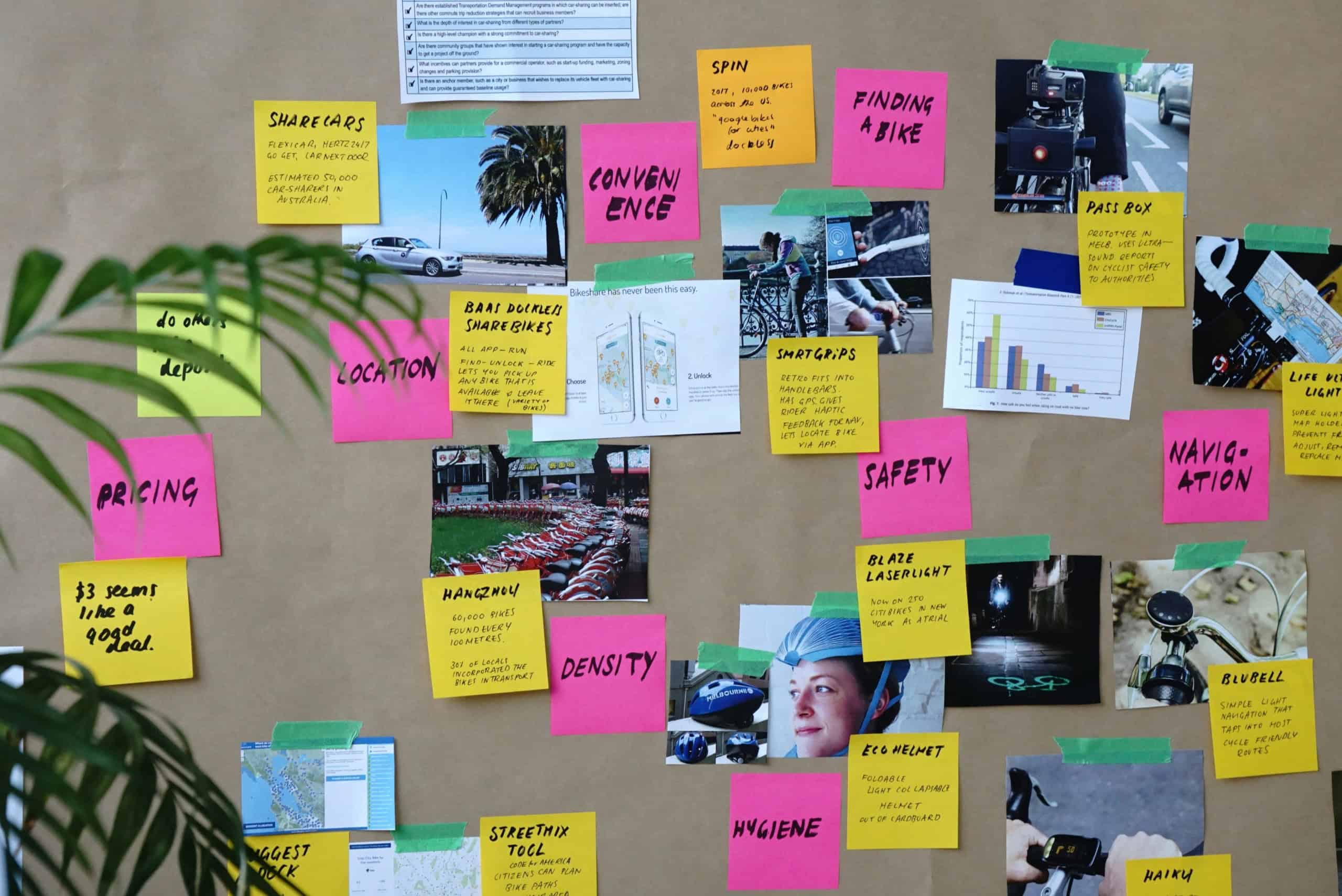
Brainstorming is about awakening possibility.
When leaders bring heart, curiosity, and presence into the process, something magical happens: people feel free to imagine again. The energy in the room lifts. Connection deepens. Innovation becomes effortless, and even joyful.
Great leaders know that the next breakthrough will not come from more pressure. Pressure narrows minds.
Breakthroughs come from more presence, purpose, and openness.
So, before your next brainstorming session, take a breath. Reconnect with your purpose. Set the intention to lead not just with strategy, but with heart.
When you do, you will not just spark ideas—you will unlock collective genius.
What would it mean to unlock the collective genius of your organization? Let’s work together.

Asking for a raise can be nerve-wracking—even at the executive level. From sleepless nights to sweaty palms, the anticipation often feels worse than the conversation itself.
And yet, it can be more than just a request for higher pay. It’s a chance to practice strategic communication, advocate for your worth, and build deeper alignment with your organization’s goals.
In this article, we’ll walk through:
Individual circumstances will always differ, but there are some common and more general reasons asking for a salary increase can be important:

A raise doesn’t always come in the form of salary. Depending on your organization, non-salary options might even be more realistic, and just as valuable (if not more so) to you.
Examples of non-salary compensation include:
Non-salary benefits can often reduce your personal expenses, enhance quality of life, or build long-term wealth. They’re also often more flexible for the organization to approve.
Why might these benefits be more feasible? Examples of reasons include:

When is a good time to ask for an increase? There are two factors to consider: strong career moments and favorable company timing.
Strong career moments:
Favorable company timing:

One of our clients had a standout year. She surpassed every objective set for her — leading with vision, hitting targets, and elevating her team in the process.
But, when compensation decisions were announced, she received only a standard increase. The same as everyone else.
She felt disappointed and hurt. Her instinct was to stay quiet. Bonuses and raises had already been finalized. What difference would it make now?
But, in our coaching conversation, we reminded her: “Speaking your truth isn’t always about the outcome. It’s about honoring yourself. You’ll feel better knowing you said what needed to be said.”
So she did. Calmly and clearly, she requested a meeting and shared how she felt, not from entitlement, but from alignment. She named her contributions, her growth, and her desire to understand what it would take to be recognized more fully.
And here’s what happened: Her leader listened. The decision-makers reviewed her file again and agreed. She received an additional raise and a bigger bonus. Most importantly, they had a meaningful conversation about what success would look like in the coming year, setting the stage for more intentional recognition going forward.
Sometimes, even when it feels like the moment has passed, it’s still the right time to speak up. Because advocating for your worth isn’t just about money. It’s about trust, alignment, and owning your impact.


What if your request is denied? Let’s say you asked for the increase and you explored non-salary benefits, but still got the no. What next?
Advocating for a raise isn’t just about money. It’s about clarity, confidence, and leadership. Whether the answer you get is yes, not now, or no, each conversation helps define the path ahead – both for you, and the organization.
Approach it with preparation, self-respect, and curiosity. At the executive level, how you ask is as important as what you ask for. The more intentional you are, the more powerful and sustainable your success will be.
If you’re done waiting for permission to own your value—let’s co-create your next bold move.

Leadership doesn’t begin and end with performance metrics. It begins with presence. It’s in the tone we set—through words, behavior, and even silence.
How we respond to the dynamics around us shapes team culture. It influences trust, engagement, and performance.
Microaggressions may seem subtle, but their cumulative impact breaks down psychological safety, trust, and inclusion. Left unaddressed, they create environments where people feel unseen, disengaged, and undervalued—undermining both culture and organizational results.
As Adam Grant reminds us, “The most important reason to treat people well is not what you’ll get in return. It’s who you hope to become.”
The heart of leadership isn’t just about strategy or outcomes—it’s about who we become along the way.
Ask yourself: Who do I want to become as a leader?
A leader known for accountability, integrity, and positive influence? Someone who navigates complexity with both clarity and compassion? A leader who drives results through engagement, support, development, and trust?
If so, alignment matters. Your response to harmful behaviors—especially subtle ones like microaggressions—sets the precedent for what your team will tolerate, expect, and even emulate.
Even in environments where open conversations about DEI are discouraged, how you show up still matters. Your presence, your choices, and your quiet leadership can still create powerful ripple effects.
Let your ideal leader take the wheel. Lead with strategy and heart.
Years ago, we wrote an article about letting “future you” make your decisions. Now, we’re asking you to let your “ideal leader self” steer the ship. When you make decisions from that place, you become the leader you want to be.

What is a microaggression? Microaggressions are subtle, often unintentional actions or comments that express bias toward marginalized individuals or groups. They may seem minor in isolation, but their cumulative impact is deeply harmful.
Microaggressions can be verbal, behavioral, or systemic, and may target race, gender, sexual orientation, religion, disability, or any marginalized identity.
The term was coined over 50 years ago by psychiatrist Chester M. Pierce, and while the language is now more widely used, the behaviors are not new.
Examples of Microaggressions Include:
And much more. Microaggressions are often subtle and nuanced, but easily recognizable to the people they target – and easy to learn to recognize by others.
Not every instance is automatically a microaggression. Saying “Your parents must be proud” might be kind in one context, and stereotypical in another. Interrupting a colleague is generally disrespectful—but repeatedly doing so to women or people of color can signal something deeper.
The point is this: impact matters more than intent. And as leaders, we must be tuned in to that impact if we want to create an environment of respect and belonging, where people are empowered to bring their absolute best to the work that they do.
As leaders, we often hear: “You’re not responsible for someone’s reaction. You’re responsible for your intention.”
That’s true — especially in personal growth work. When you’re setting boundaries, stepping into authenticity, or speaking your truth, that reminder is grounding and liberating.
But in leadership — particularly when power dynamics are involved — impact matters more than intent.
A well-meaning leader can still cause harm. And if we focus only on our good intentions, we risk ignoring the lived experiences of others.
Heart-centered leadership means holding both. It’s leading with clear, compassionate intent and staying open to feedback about your impact. When there’s a gap between the two, courageous leaders don’t defend — they reflect, take accountability, and realign.
That’s what builds trust. That’s what builds culture.

Responsibility assignments are a subtle but powerful way bias shows up in the workplace. They may be unintentional – but their impact is anything but “micro.”
Leaders may believe they’re simply choosing the “right person for the job,” but high-visibility assignments often go to those who look the part, based on unconscious bias—not capability.
This pattern has two serious consequences:
The unintentional nature of this issue is rooted in privilege—leaders don’t see the pattern because they’ve never had to think about it. Awareness is the first step in breaking that cycle.
Microaggressions can be subtle, coded, or even invisible to anyone but the person being targeted—a kind of “dog-whistle” communication that flies under the radar unless you know what to look for.
That’s why leadership discernment is essential. This goes beyond knowledge or intuition—it’s the ability to perceive what others might miss, and to act with empathy and clarity.
Here are three ways to sharpen your leadership discernment:
Strong leadership isn’t about having all the answers—it’s about being willing to see, learn, and evolve.
Microaggressions may seem small in the moment—but they carry a significant cost.
For those on the receiving end, the emotional and mental toll of constantly navigating or anticipating microaggressions is real. Over time, this erodes trust, motivation, and a sense of belonging.
As a leader, your mandate is to build a culture where every employee can bring their full potential forward. Microaggressions stand directly in the way of that.
Meanwhile, those who regularly engage in microaggressions—whether out of ignorance or unwillingness to grow—undermine collaboration, innovation, and psychological safety.
The Business Impact Is Clear:
In short: If people don’t feel safe, seen, and valued, they won’t stay—or perform at their best. Addressing microaggressions isn’t just a cultural imperative. It’s a strategic one.

As a leader, your responsibility is twofold:
Your goal isn’t to dig into motives, but to reinforce a culture of safety, respect, and learning. Beyond that, your goal is to position yourself as a safe, trustworthy leader for people who feel targeted, and for those who’ve made a mistake and want to grow.
Go back to the question: What kind of leader do I want to be?
Responding to microaggressions – especially if they’ve come from you – is part of this journey.
Do you want to be a leader who models accountability, humility, and resilience? Who understands the impact of strategy + heart?
If so, this is a moment to lead by example.
A direct approach might sound like:
“I’ve realized what I said was wrong. While it wasn’t my intent, I take full responsibility. I’m sorry.”
Be clear, sincere, and focused on impact over intent.
Strong leadership isn’t about never making mistakes—it’s about how you respond when they happen. That’s a big part of having positive influence as a leader.

The best way to address microaggressions is to prevent them. That starts with culture, and culture starts with leadership.
Here are five key strategies to help you lead a more inclusive, psychologically safe workplace:
Ideally, leadership means speaking your truth, even when it’s hard. At CEO of Your Life, it’s one of our core beliefs.
But, in some environments, addressing microaggressions directly may be prohibited or unsupported—especially where DEI efforts have been dismantled.
As a leader, you still have a responsibility to protect your people and foster respect, even if you need to be strategic about how you do it.
Use Subtle but Effective Language
If you can’t call it out explicitly, redirect the behavior with phrases like:
These responses defuse the moment, reinforce expectations, and create a boundary, without triggering policy pushback.
Support Targets Privately
Check in with team members who may be impacted. Validate their experience and strive to be on their side as much as possible within your constraints.
Advocate Behind the Scenes
Continue working toward a healthier culture where accountability and inclusion aren’t off-limits. Quiet leadership can still drive meaningful change.
Lead for the Culture You Want to Build
Microaggressions aren’t just personal missteps—they’re leadership signals. Every time we ignore, excuse, or minimize them, we send a message about what’s acceptable in our workplace culture.
As a leader, your influence is profound. You set the tone through your choices, your silence, your accountability, and your vision for what kind of organization you want to build.
So ask yourself:
If the answer to any of these is uncertain, that’s not a flaw—it’s an invitation. A call to lean in, get curious, and keep growing.
Be the kind of leader who doesn’t just respond to microaggressions—be the one who helps eliminate them.
The culture you lead is the legacy you leave. Make it one of inclusion, excellence, and courage.
If you’re serious about your legacy as a leader, let’s talk. Connect With Us / Explore Speaking & Workshops.

What keeps you up at night? If you’re like many in leadership, it’s things like:
What impacts all of those things? Change.
Sometimes change is intentional–a new corporate direction or strategy. Other times, it’s situational–economic shifts, evolving workforce expectations, global changes, market fluctuations, and so on.
Regardless of what drives the change, change is challenging. At the same time, transformation is how organizations thrive, and stay competitive.
With these critical concerns in mind (retention, engagement, well-being, agility) how can you, as a leader, navigate change successfully?
It’s simple (simple to say, at least). Leadership today demands strategy + heart.
In times of uncertainty, people need clear direction. In order to put that direction into action, they need connection, trust, and reassurance. That’s what heart-led leadership accomplishes.
Leading from the heart influences motivation, engagement, enthusiasm, innovation and all the things necessary to thrive through change. It’s what’s needed to:
This is why top leaders balance leadership with heart AND strategy. They know that how they lead through change determines whether their teams sink, stagnate or rise.
The bottom line is, top leaders don’t just drive results; they create cultures of trust, where people feel valued, empowered and committed. This is foundational to driving results and creating organizational resilience.
The essence of heart-centered leadership integrates empathy, emotional intelligence, and vision with strategic execution, for incredible, far-reaching outcomes.
But… What does it really mean to lead with heart? What does it look like in practice? How can leaders harness the heart-brain connection to guide their teams through any change that comes their way?

Did you know your heart and brain are constantly communicating? While the brain governs many functions, research from the HeartMath Institute reveals that this heart-brain connection goes beyond keeping a beat.
It seems, rather, that the heart-brain connection plays a crucial role in leadership, decision-making, and resilience. One major disruptor of this connection? Stress.
Studies from the American Psychological Association (APA) show that stress can:
For leaders, this often translates to frustration, decreased empathy, and lower team engagement—all of which impact retention and innovation.
HeartMath’s research highlights:
📌 The heart sends more signals to the brain than the brain sends to the heart.
📌 Stable heart rhythms improve cognition, emotional balance, and decision-making.
📌 Leaders who regulate their heart rate variability (HRV) remain calm under pressure and inspire confidence.
Think about it – when challenges arise, how does your heart respond? Does stress take over, or do you stay clear, calm and composed?
Yes, strategy is crucial as it provides the roadmap. But heart fuels the motivation and courage to follow it.
🔹 Watch this HeartMath video to explore the heart’s role in leadership and resilience.
🔹 What’s more? Your heart’s rhythm directly influences those around you—set the tone for your team. Read the HeartMath findings here.

Image source: https://www.heartmath.org/articles-of-the-heart/global-interconnectedness/each-individual-impacts-the-field-environment/
💡 Have you ever experienced a leader who led with heart during a major change? How did it impact your experience?
💡 Have you experienced a leader who led from stress, urgency or agitation? How did that impact you?
Change is one of the most stress-inducing experiences for teams. That’s why it’s common for people–even leaders–to resist change. That resistance isn’t just down to the logistics of change, but often fear, uncertainty, and emotional discomfort.
💙 A heart-driven leadership approach helps bridge that gap by:
✔️ Creating a sense of safety and trust
✔️ Encouraging open, transparent communication
✔️ Helping people emotionally regulate during uncertainty
✔️ Strengthening team resilience in the face of challenges
❌Leaders who ignore the emotional aspect of change risk:
⚠️ Higher resistance to new initiatives
⚠️ Decreased engagement and productivity
⚠️ Increased stress and burnout among employees
Instead of forcing change through strategy alone, leading with heart during change creates cultures where people feel seen, supported, and empowered to embrace transformation.
Why does that matter? When change is embraced, instead of resisted, there’s less disruption, progress moves faster, and transformation goes through with greater ease.
When people embrace transformation, it’s like moving with the current, instead of fighting against it.

A misconception about leading with heart is that it puts empathy over results. In reality, integrating emotional intelligence with strategic thinking enhances performance and drives sustainable success.
When heart and strategy are aligned, you unlock engagement, innovation, resilience, and long-term success.
Practical Steps for Leading with Heart and Strategy:
✔️ Communicate with authenticity. Transparency builds trust. Acknowledge challenges, address emotional concerns, and create space for open dialogue.
✔️ Empower your team. Invite people into the process to give them ownership over the transition. Seek feedback, listen with curiosity, and ask open-ended questions like:
✔️ Model resilience. Emotional intelligence is contagious. What’s more, leaders set the tone, for better or worse, within teams and organizations. Demonstrate self-regulation by acknowledging challenges without letting them dictate your leadership. That’s true resilience.
✔️ Validate concerns. There’s a tendency for leaders to try to placate or calm fears. Instead, ground people with validation. Simple phrases like “That’s a valid concern,” or “I appreciate you bringing that up” help foster trust and psychological safety. Follow up with clear action steps, but always validate first and foremost.
Protecting Your Energy as a Leader:
Leading with heart requires emotional endurance—and endurance demands recovery. You wouldn’t run a marathon while lifting heavy weights or sprinting at full speed. The same principle applies to leadership during high-demand periods.
Remember, your well-being can indirectly influence the well-being of the people around you. Protecting your energy is as much about effectively leading others as it is about self-care.
During high-stress times, here are ways to protect your energy:
It’s important to remember: Emotional strength is not about suppressing emotions. Suppression leads to volatility—like a shaken soda bottle ready to explode at the wrong nudge. Over time, this weakens resilience and clouds decision-making.
True emotional strength is the ability to recognize, accept, and respond to emotions with intention. This creates clarity, composure, and alignment between your leadership, your team, and your vision.

Can leaders be too empathetic? Where should they draw the line?
The key is intentional balance – leading with heart while maintaining a big picture, strategic vision. Empathy doesn’t mean lowering expectations; it means supporting people while holding them accountable.
Here’s how leaders can integrate both:
✔️ Set Clear Expectations
Great leaders combine high expectations with strong support. Servant leadership is just one example of how you might approach this. It’s an approach that recognizes challenges, equips people to overcome them, and works to remove roadblocks, without lowering the bar on expectations.
✔️ Foster Psychological Safety & Belonging
True innovation happens when people feel safe enough to stumble and learn. When employees trust that they can take risks, innovate, and voice concerns without fear of retaliation, they become more engaged and solution-oriented.
Further, a sense of belonging strengthens psychological safety. When people feel valued within a team, they collaborate, problem-solve, and adapt with greater ease.
✔️ Stay Adaptable
Heart-centered leadership is fluid. It adjusts to both organizational demands, and human needs, recognizing that the shortest distance between two points isn’t always a straight line – it’s the line that moves most efficiently through roadblocks.
Neuroscientist John Lilly said, “Our only security is our ability to change.”
In times of change or uncertainty, people seek out stability. Remind them that adaptability itself is a constant. It’s what makes individuals, teams, and organizations resilient and ready for whatever comes up.
💬 What practical steps can you, as a leader, take today to start leading with both heart and strategy?

An approach that integrates heart and strategy might sound compelling, but does it actually drive success? These real-world leaders have shown that it does:
1️⃣ Jacinda Ardern (Former Prime Minister of New Zealand)
Ardern led New Zealand through multiple crises—COVID-19, the Christchurch mosque attack, and natural disasters—using compassionate, transparent communication, combined with decisive action. She didn’t just make strategic decisions; she made people feel seen and heard.2️⃣ Satya Nadella (CEO of Microsoft)
Under Nadella’s leadership, Microsoft transformed from a rigid, competitive culture to one centred on growth mindset, emotional intelligence, and collaboration. This shift fueled innovation, employee engagement, and market growth, proving that a people-first culture drives real results.3️⃣ Howard Schultz (Former CEO of Starbucks)
Schultz built Starbucks into a brand known for people-first leadership, from providing employee healthcare to taking a firm stand on social issues. His notable commitment to connection and empathy helped shape a culture that strengthened both employee and customer loyalty.
These examples illustrate a critical truth: During times of stress, many leaders resort to fear-based, urgency-driven decision-making. But those committed to leading with empathy and heart don’t just succeed in the moment; they create lasting, sustainable transformation with powerful ripple effects.

Great leadership isn’t just about results—it’s about lasting impact. Leading with heart helps you:
💙 Build trust and psychological safety for high performance.
💙 Cultivate resilient, engaged teams that embrace change.
💙 Navigate uncertainty with clarity, confidence, and purpose.
🚀 Ready to integrate heart and strategy in your leadership approach?
We help executives and high-level leaders develop resilient, heart-led teams that thrive through change.
💬 Let’s start the conversation. Connect With Us / Explore Speaking & Workshops

“Whether you practice them consciously or not, your life is filled with regular habits and rituals that hold you where you are. Consciously creating new ones is a vital part of taking authorship of your life. It’s where you start to put theory into action.”
— Melissa Dawn, Why Can’t I Just Be Me
Imagine stepping into each day with clarity, confidence, and a deep sense of purpose—fully present and leading with intention.
What would that look like to you? What would it create for you in life and leadership?
How you start your morning shapes how you lead, how you connect, and how you navigate challenges. It sets the tone for your energy, decision-making, and emotional resilience.
In fact, many executives and high-level leaders attribute their success to structured, mindful morning routines. They know that how they begin the day impacts their ability to respond, rather than react, and empowers them to approach whatever the day brings with intention and purpose.
A well-crafted morning routine is one of the most powerful tools you have—not just for personal fulfillment, but for leading with heart and strategy, in even the most challenging times.
✔️ The leadership impact of daily routines
✔️ Why is a morning routine important for leadership presence?
✔️ How your habits influence your team and organizational culture
✔️ The power of momentum tunnels—and how to harness them
✔️ How to create a morning routine that stick (5 steps)
✔️ Strategies for sustaining long-term success
The small things we do every day—our habits, rhythms, and routines—create the foundation for our leadership or executive presence.
Studies show that intentional routines:
✨ Reduce stress and decision fatigue
✨ Increase focus and productivity
✨ Enhance emotional intelligence and resilience
Conversely, unstructured or reactive habits can contribute to burnout, distraction, and decision fatigue.
When we consciously design our routines, we create momentum that fuels both our leadership and well-being.
That’s why it’s essential to:
🌿 Practice routines with intention—aligning them with the kind of leader you want to be.
🌿 Reassess them when you want to grow—because leadership is an ongoing journey.

How you begin your day influences how you show up for others.
🌤️ A rushed, chaotic morning? Likely leads to scattered focus and reactive decision-making.
🌿 A mindful, intentional morning? Sets the foundation for confidence, clarity, and presence.
Think of it like planting seeds. The habits you cultivate in the morning determine the type of leadership energy you bring into the day, which influences what grows within and for your team.
Take a moment to reflect:
🔍 How does my current morning routine shape my leadership presence?
🔍 Am I setting a tone of clarity, focus, and responsiveness?
🔍 What small shift could help me show up more intentionally?
A great morning routine isn’t just about productivity—it’s about leading yourself first, so you can lead others more effectively.
Leadership is not just about what you say; it’s about the energy you bring into every interaction. This is a critical part of the type of influence you have as a leader.
🌊 When you start your day calm, focused, and centered, your team feels that.
🌊 When you start rushed, reactive, and overwhelmed, that energy carries through as well.
Just as a strong leader creates stability in times of change, a strong morning routine creates internal stability, allowing you to lead with confidence and heart.

Every habit—whether intentional or not—creates a momentum tunnel, a pattern that gains traction over time.
If your current habits generate stress, distraction, or exhaustion, you are reinforcing negative momentum. The good news? You can shift momentum in a new direction.
✨ Pause negative momentum – Identify habits that drain your leadership energy.
✨ Build new momentum – Establish rituals that align with your leadership vision.
✨ Close the exits to old habits – Remove easy temptations that pull you back into old routines.
Let’s say your first action each morning is checking your phone. This might:
⚠️ Pull you into reactive mode instead of setting your own priorities.
💭 Flood your mind with outside demands before you’ve had time to ground yourself.
🌊 Trigger stress and decision fatigue before the day even begins.
By replacing this with five minutes of mindful breathing or strategic reflection, you begin shifting momentum in a positive direction.
So… What does a good morning schedule look like? It’s one that is aligned with your inner leader to create tunnels of positive momentum for yourself, and your entire team.
Change doesn’t stick when easy exits are left open. Here’s what closing an exit could look like:
🚪 Habit to Shift: Checking emails first thing.
🔑 How to Close the Exit:
⏳ Habit to Shift: Hitting snooze repeatedly.
🌞 How to Close the Exit:
Small, intentional shifts like these close off exits, reinforce new momentum, and increase your probability (and speed) of success.
Understanding the power and pull of momentum tunnels provides key insight into how to build a morning routine that actually sticks.

Before changing your routine, define what success looks like for you.
📖 What values do I want to lead with each day?
📖 How do I want to feel in the morning?
📖 Does my current routine set me up for that vision?
📖 Does my routine align with my purpose?
Note that not everyone resonates with the idea of a singular life purpose. If that’s you, consider a concept like Ikigai, which infuses daily actions with a sense of purpose.
🌱 Focus on just one key change at a time.
🔹 Pause a habit that no longer serves you.
🔹 Introduce a habit that fuels your leadership.
Choose something that feels motivating and easy enough to integrate. Think of it like building momentum on a bicycle. You don’t start by trying to pedal uphill. Start on level ground and build from there.
A well-rounded morning routine supports:
🧠 Mind – Reflection, journaling, strategic planning.
💪 Body – Movement, hydration, nourishing breakfast, sunlight.
❤️ Spirit – Mindfulness, gratitude, meaningful connection.
In designing your morning routine, consider your WHOLE LIFE fulfillment. What areas do you need to work on? What areas can you build from? To get a full picture, download our whole life assessment wheel.
🔹 Layer in new habits over time—small wins create lasting success.
🔹 Adjust as needed—your routine should evolve with you.
🔹 Expect a dip—motivation fluctuates, but consistency sustains progress.
🔹Commit to your new routine for a set time (e.g., 30 days).
🔹Reflect: What’s working? What needs adjusting?
🔹Optimize: Make small shifts to keep momentum going.
Intentional reassessment is part of an intentional routine. When you do so, you’re not just optimizing your day, you’re leading yourself with intention, which will propel you to new heights in your work and life.
Your morning routine isn’t just about habit-building—it’s about setting the foundation for how you lead.
✨ When you lead yourself with clarity and heart, you lead others more powerfully.
✨ When you begin your day with intention, you elevate not just your own experience, but the experience of everyone around you.
If you are ready to cultivate routines that fuel your leadership—and want expert guidance from Master Certified Coaches who specializes in heart-centered executive leadership—we would love to support you.
Let’s start the conversation. 🌿
Mélissa Dawn est la fondatrice de PDG de votre vie. En tant que conférencière motivationnelle, coach de vie et d’affaires, auteure, praticienne énergétique et autrefois VP marketing, Mélissa élabore des présentations non-conventionnelles, drôles et inspirantes qui aident les gens à se découvrir sous un tout nouveau jour et à prendre le contrôle de tous les aspects de leur vie. Elle est aussi l’auteure du livre I Attract What I Am: Transform Failure into an Orgasmically Joyful Life and Business, classé meilleur vendeur international sur Amazon. Mélissa a aidé des milliers de personnes à devenir PDG de leur vie professionnelle et personnelle avec confiance, succès et bonheur.
As seen on…..




